
Pressure, Representation, and the Reality for Women in Motorsport
Stories of women overcoming the gender-based stereotypes by earning their spot in championships that are still completely male-dominated.

Motorsport is one of the very few fields where men and women are meant to compete on completely equal terms. Yet, the industry that has historically been designed by men, for men, keeps female talent to the sidelines often because of gender bias or old stereotypes. For decades the narrative surrounding female drivers was defined by the notion of meteoric success, with women being often hyper-scrutinized and unwelcomed. This created a suffocating paradox, where drivers had to perform flawlessly just to be seen as average, while bearing the psychological weight of representing their entire gender every time they step in their car.
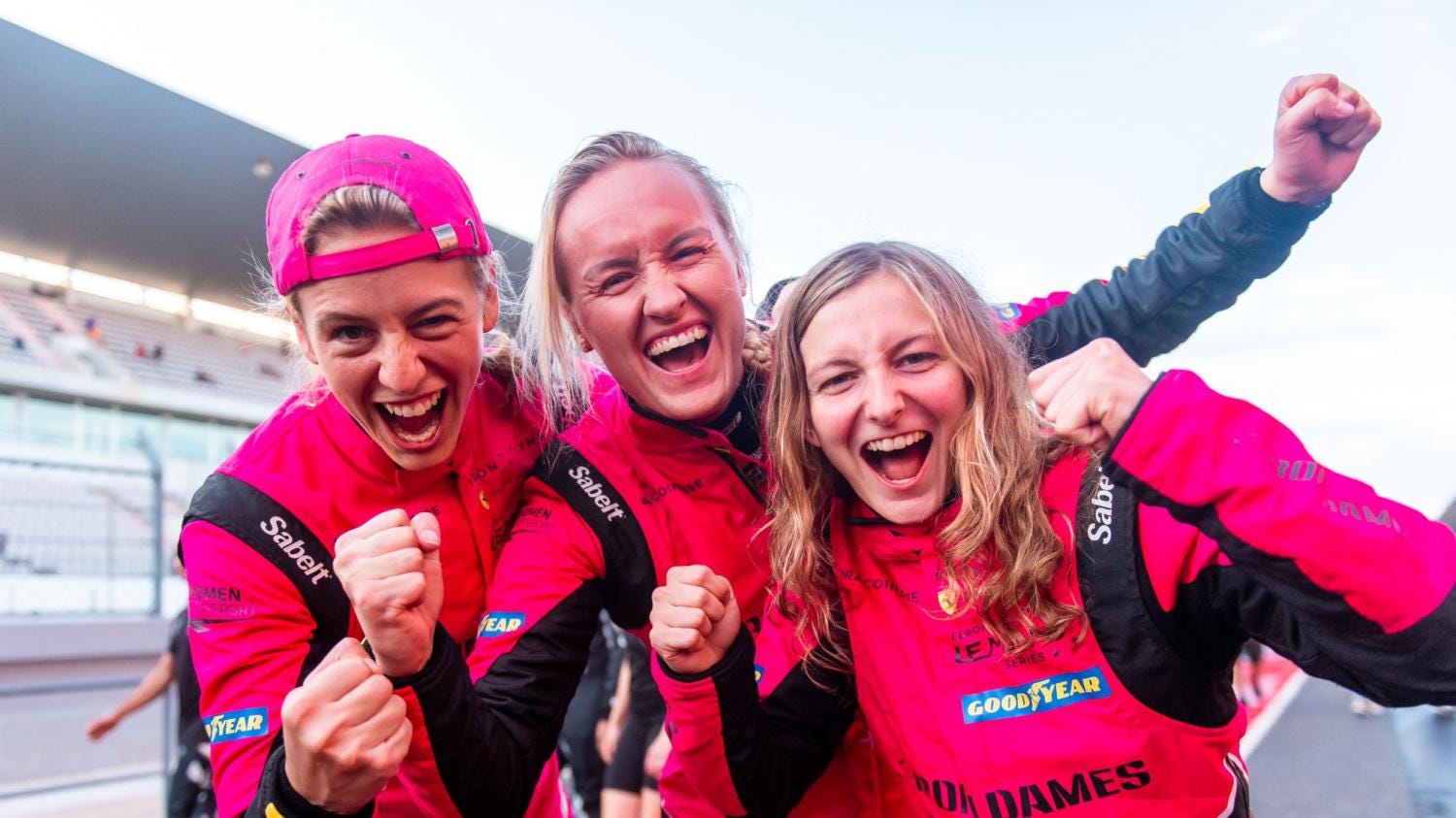
F1 Academy and the power of visibility
The creation of F1 Academy has begun to alter this landscape: the all-female single-seater championship aims to construct a fully-funded pipeline for women to climb the motorsport ladder. The series certainly proves that the physical demands of single seater racing are entirely within female capabilities, but at the same time has not proven to offer the proper support to those who graduate after the two season limit. Nevertheless, F1 Academy is still the series that is doing the most to put female talents out there for a shot at entering the top teams, in an effort to close the gender gap and lessen the pressure on the shoulders of girls in motorsport.
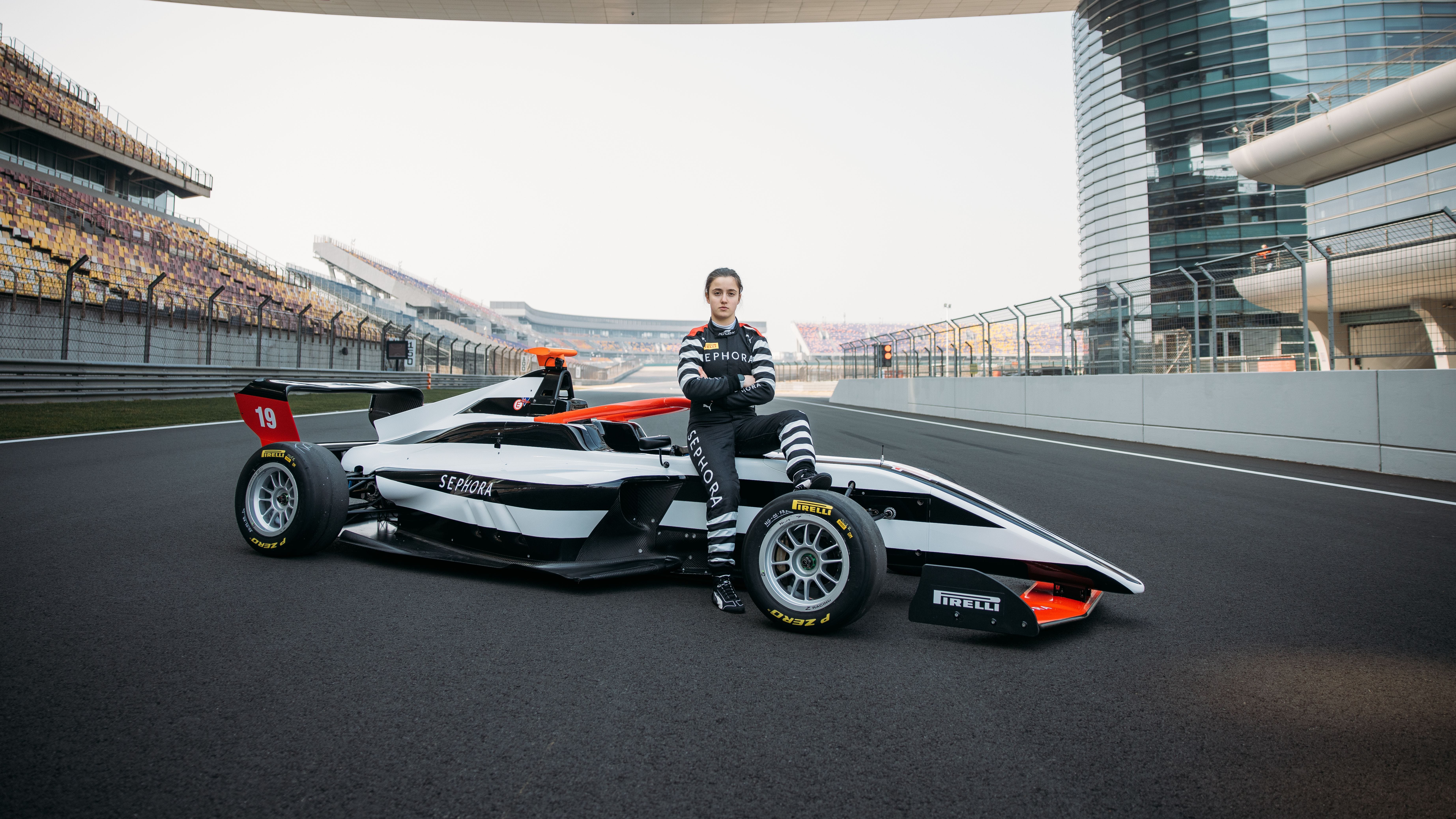
Breaking the stereotypes
Some female drivers have overcome the gender-based stereotypes by earning their spot in championships that are still completely male-dominated, signaling a crucial shift in the narrative. Names like Abbi Pulling and Doriane Pin are now what comes to mind when mentioning female racing drivers, and are continuing to represent women in high level racing today. Pin in particular has become the first woman to drive a Formula 1 car in years, and is currently having a very successful season racing in ELMS.
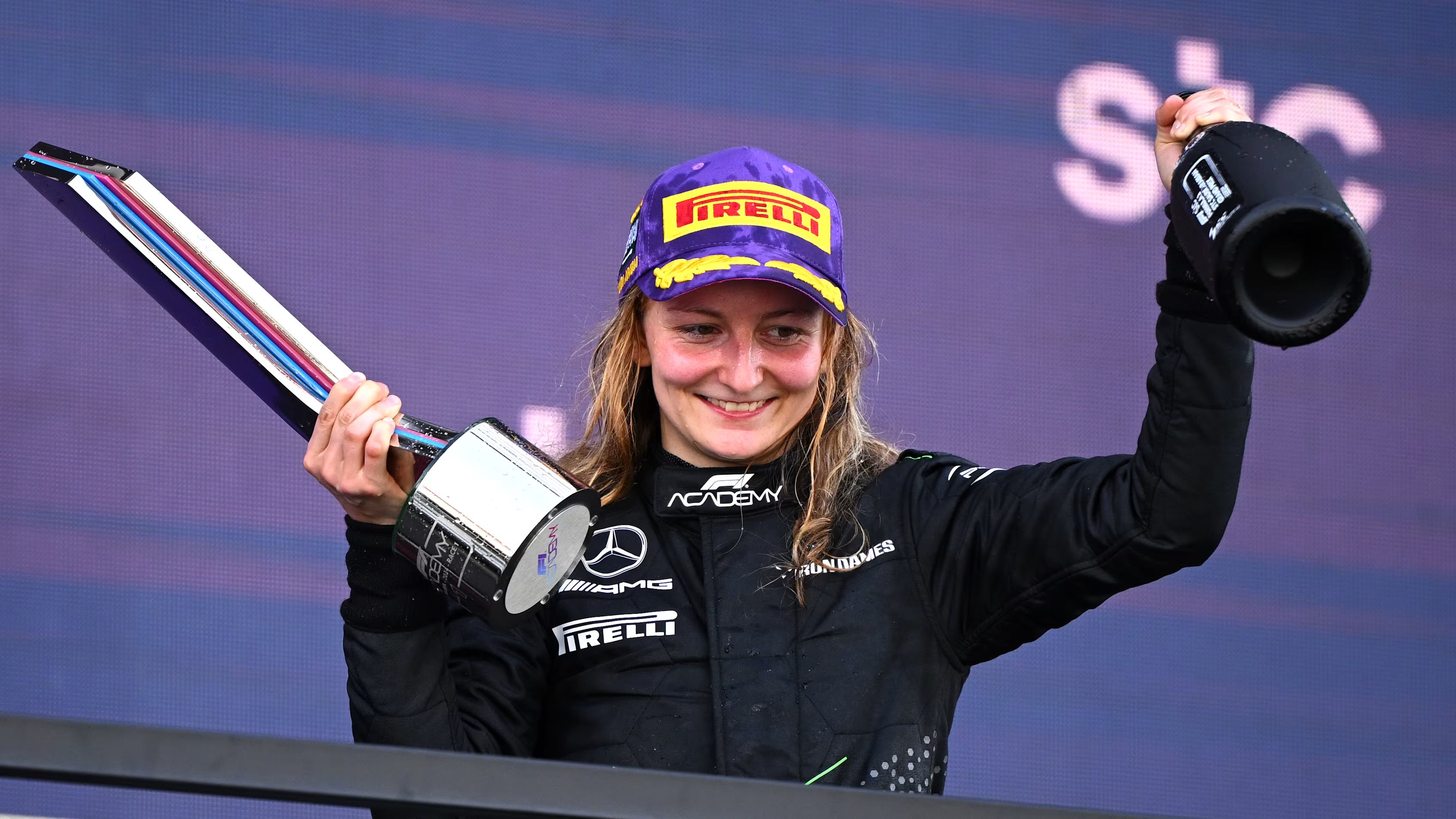
Despite these success stories, we must remember that navigating the paddock as a female involves overcoming hurdles that go beyond on-track performance. Elite motorsport requires a decent financial backing, and women are often held back by the lack of funds. Sponsors often view investing in a young girl in karting as a gamble, because there isn’t a clear path for women to reach Formula 1 yet. Furthermore, there are subtle design challenges that the industry is only recently beginning to acknowledge: from the dimension of cockpits to the lack of power steering in feeder series like Formula 3, the physical landscape has always favored male anatomy. For this reason women must navigate this environment with quite a few difficulties, having to frequently use more physical energy to handle the same machinery while combating the bias of the paddock and the audience.
The future of female representation
True equity in motorsport will only ever be achieved when a female driver can have a bad race weekend, lock up her brakes, or crash out of the lead without it triggering a toxic internet debate about whether women belong in the sport.
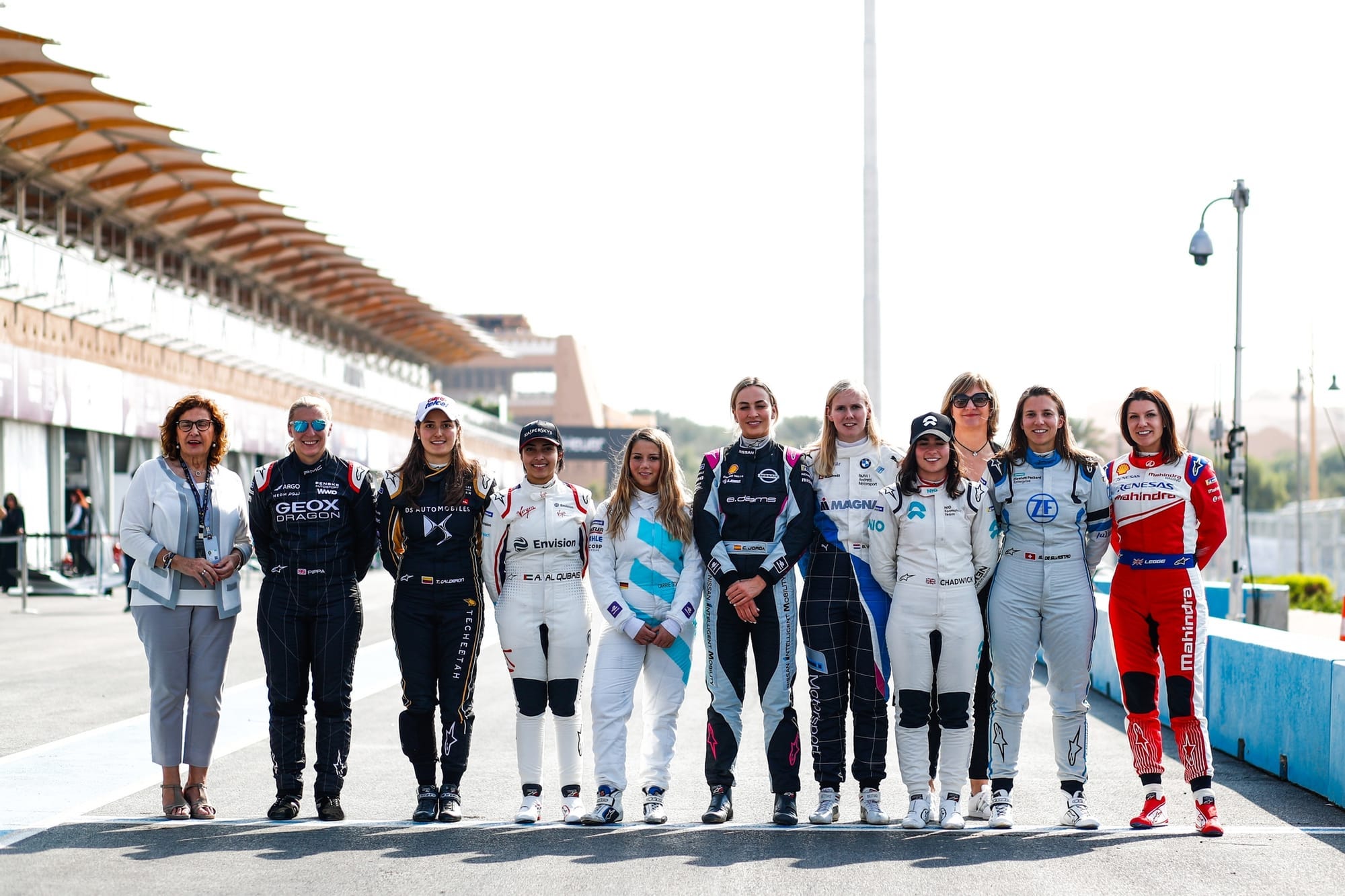
Thanks to the mentioned efforts, the sport is slowly moving past the era of the token female driver, allowing women to compete at the top thanks to their talent and resilience. The goal now, is to race and win on equal terms, and continue to prove that females after all are built for racing.